

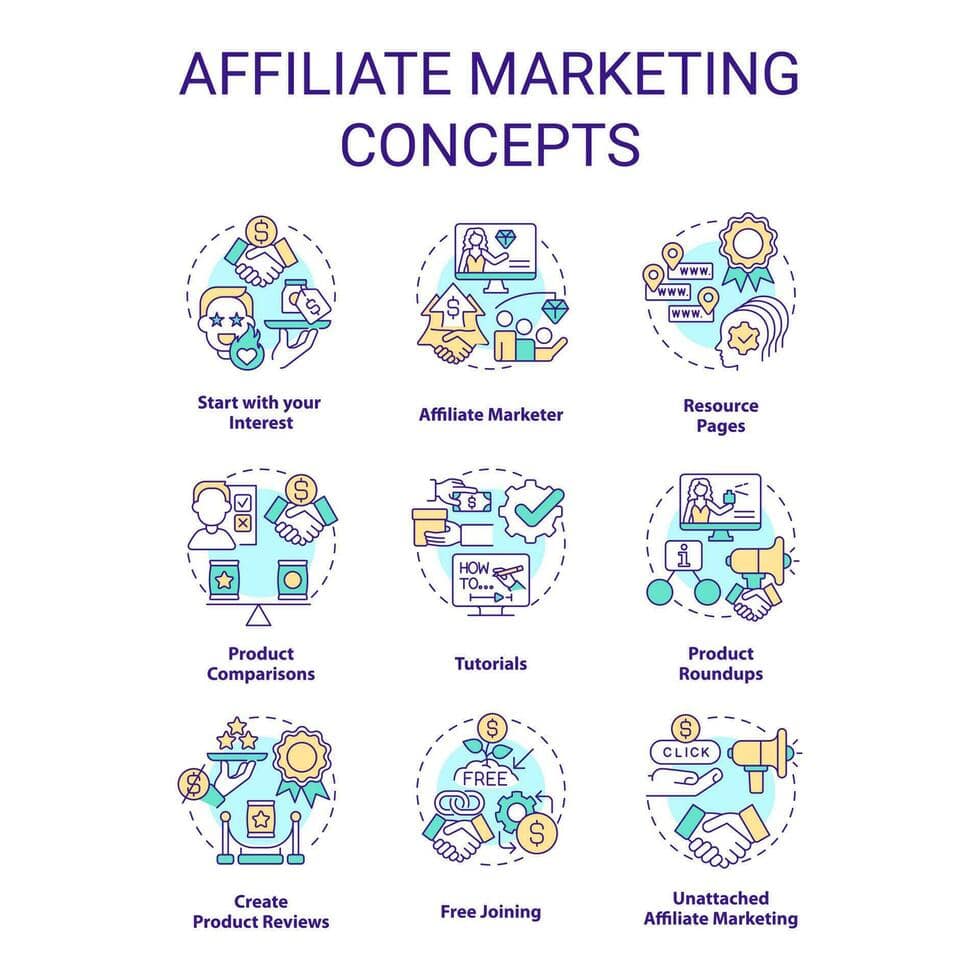
Affiliate Marketing: A Powerful Revenue Stream for Modern Businesses
Affiliate marketing has emerged as a cornerstone of the digital marketing ecosystem, providing businesses with an efficient way to boost sales, expand reach, and build brand credibility. At its core, affiliate marketing is a performance-based strategy where companies reward affiliates—partners or influencers—for driving traffic, leads, or sales through their unique promotional efforts. This win-win model has gained immense popularity in recent years for its low-risk, high-reward nature, making it accessible for brands of all sizes and affiliates looking to monetize their online presence.
How Affiliate Marketing Works
In an affiliate marketing setup, three main parties collaborate for mutual benefit: the merchant (brand or business), the affiliate (publisher or promoter), and the customer. Affiliates use various channels such as blogs, social media, email newsletters, or YouTube to promote the merchant’s products or services using personalized affiliate links. When a customer makes a purchase through these links, the affiliate earns a commission, either as a percentage of sales or a fixed amount per conversion.
Affiliate programs are typically managed through affiliate networks or in-house platforms, which track clicks, sales, and commissions, ensuring transparency and timely payouts. Popular affiliate networks include Amazon Associates, ShareASale, Commission Junction, and Rakuten Marketing, each offering thousands of merchants and affiliates to choose from.
Benefits of for Businesses
-
Cost Efficiency: Affiliate marketing operates on a pay-for-performance basis, meaning brands only pay commissions when a sale or lead is generated. This minimizes upfront advertising costs, reduces risk, and improves return on ad spend (ROAS).
-
Increased Reach: By partnering with a diverse range of affiliates, businesses can access new audiences globally and gain exposure across different niches and platforms.
-
Enhanced Credibility: Affiliates often have loyal followings who trust their recommendations. Collaborating with credible influencers or content creators boosts brand trust and customer confidence.
-
Scalability: Affiliate marketing programs can scale quickly by recruiting multiple affiliates and diversifying promotional strategies without the overhead costs of traditional advertising.
-
Valuable Data Insights: Tracking and analytics provide detailed insights into traffic sources, customer behavior, and campaign performance, helping brands optimize marketing efforts.
Best Practices for Successful Affiliate Marketing
-
Choose the Right Affiliates: Align with affiliates whose audiences match your target market and who maintain a reputation consistent with your brand values.
-
Provide Quality Promotional Materials: Equip affiliates with banners, product images, demo videos, and promotional copy to facilitate effective marketing.
-
Offer Competitive Commissions: Attractive and transparent commission structures incentivize affiliates to prioritize your products.
-
Maintain Strong Communication: Regularly engage with affiliates through updates, newsletters, and personalized support to nurture partnerships.
-
Monitor and Optimize: Use analytics to identify high-performing affiliates and content types, adjusting strategies to maximize revenue.
Trends Driving in 2025
The affiliate marketing landscape continues to evolve with technological advancements and consumer behavior shifts. Key trends for 2025 include:
-
Influencer-Affiliate Hybrid Models: Many influencers now combine affiliate marketing with sponsored content, creating authentic, performance-driven promotions.
-
AI and Automation: AI tools help identify ideal affiliates, predict campaign performance, and automate routine tasks for increased efficiency.
-
Mobile-First Affiliate Strategies: With mobile commerce dominating, optimizing affiliate sales funnels and tracking for mobile devices is crucial.
-
Video and Live Commerce: Video content, including live streams, drives higher engagement and purchase intent, integrating affiliate links directly into videos.
-
Sustainability and Ethical Products: Consumers increasingly seek ethical brands; affiliates promoting responsible products tend to build more trust and loyalty.
Conclusion
Affiliate marketing remains a dynamic and powerful channel for businesses aiming to expand sales through authentic, customer-driven promotion. For affiliates, it offers a flexible opportunity to monetize content and influence, creating mutually beneficial partnerships. By embracing evolving trends and maintaining strategic, transparent collaborations, brands and affiliates can unlock the full potential of affiliate marketing in 2025 and beyond. Whether you are a seasoned marketer or just starting, affiliate marketing provides a scalable, data-driven pathway to sustainable growth and revenue generation.
-
-
Leave a Reply