

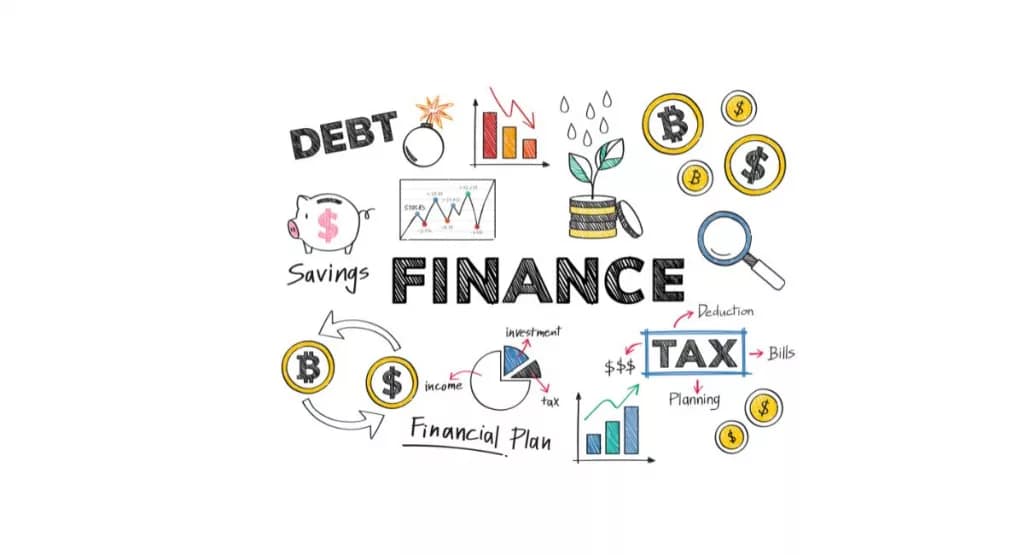
INTRODUCTION OF FINANCE:
FINANCE IS A STUDY OF ANOUT FINANCIAL INSTRUMENTS, MONEY’S INVESTMENTS, AND SO ON. IT’S IMPACTING FINANCIAL INDIVIDUAL BUSINESS , COMPANIES LIKE . AT ITS CORE, FINANCE IS ABOUT MAKING AND MEETING FINANCIAL GOALS.
MEANING OF ABOUT FINANCE :
— whether buying a home, saving for retirement, or funding higher education — by understanding how money flows and how it can be used to generate wealth and security for the future. It encompasses disciplines such as banking, budgeting, debt management, investing, insurance, and the safeguarding and growth of your financial resources.
KEY AREAS OF ABOUT FINANCE :
- INCOME AND EXPENSES
- SAVINGS AND INVESTMENTS
- PROTECTION
- FINANCIAL GOALS AND STRATEGY
- DEBT MANAGEMENT AND EMERGENCY FUNDS
- MONITORING AND FINANCIAL LITERACY
EXPLANATION :
1. Income and Expenses
Managing your finances begins with identifying all sources of income (salary, business, rental, dividends) and monitoring outflows (rent, loan payments, groceries, entertainment). Budgeting is essential: track every source of money and every expense — fixed (e.g., rent, utilities) and discretionary (e.g., dining out, travel) — to understand your cash flow and foster better financial habits.
2. Saving and Investing
Financial management is a means saving a portion of your income before spending on non-essentials. Set ambitious saving targets and put away money in savings accounts or short-term funds. Investments include financial assets (stocks, bonds, mutual funds) and physical assets (real estate), each carrying varying levels of risk and return. Protecting yourself through diversification (spreading investments across different assets) mitigates those risks. Professional advice is often sought for investment planning.
3. Protection
Finance also involves shielding yourself and your loved ones against unforeseen events such as medical emergencies or unexpected losses. Insurance — including life, health, and general insurance for properties — provides a critical safety net and ensures financial stability even when faced with adversity.
4. Financial Goals & Strategy
A clear set of financial goals, divided into short-term (e.g., purchasing a gadget), medium-term (e.g., buying a house), and long-term (e.g., college funds or retirement) objectives, is vital. Achieving these goals requires you can create a sound investment strategy tailored to the ambition and timeline of each goal. Regularly monitor your investments’ performance and adjust your strategy as necessary to ensure you reach your targets.
5. Debt Management & Emergency Fund
Managing debt (like loans and credit cards) helps minimize interest payments and maximize savings. Strive to clear debts quickly and avoid accruing new ones unnecessarily. Setting aside an emergency fund — enough to cover at least several months of living expenses — prepares you for unexpected situations like job loss or medical emergencies, safeguarding your long-term plans.
6. Monitoring and Financial Literacy
Continually reviewing and refining your budget and investment plan is necessary for adjusting to life’s changes and market conditions. Financial literacy — the ability to understand and effectively use financial skills — empowers you to make informed decisions, avoid common pitfalls, and plan for the future.
- Foundations of Finance: Explain the definition and objectives of finance, such as the management of money, investments, and financial instruments. Also cover its significance for individuals, businesses, and governments.
- Core Principles: Briefly introduce essential concepts such as risk vs. return, time value of money, diversification, and financial planning.
- Income & Expenses: Describe how to track, budget, and analyze income streams and expenditures, highlighting their impact on overall financial health.
- Saving & Investing: Summarize main savings and investment options (savings accounts, stocks, bonds, real estate, mutual funds) and the importance of investing for future growth.
- Financial Reporting & Analysis: Cover basics of financial statements, cash flow management, forecasting, and performance analysis using ratios.
- Debt & Credit Management: Detail different types of debt (loans, credit cards), how to manage and minimize them, and the role of credit scores.
- Risk Management & Protection: Outline the role of insurance and risk mitigation for individuals and organizations.
- Financial Decision-Making: Discuss making effective financial choices, strategic planning, and evaluating investment opportunities using return on investment and cost-benefit analysis.
- Personal Financial Goals: Include goal-setting techniques for short-term and long-term financial planning.
- Financial Literacy: Emphasize the importance of continuous learning, understanding financial documents, and using financial tools and technology.
Including these topics offers readers a structured and practical overview of finance, equipping them with a foundational understanding suitable for both academic and real-world applications.
Conclusion
Finance is about planning, monitoring, and optimizing your financial activities to build wealth, reduce risks, and prepare for the future. From budgeting and saving to investing and protecting your assets, it empowers you to take control of your financial destiny, pursue your goals, and ensure lasting security for yourself and your loved ones..
Leave a Reply